




















Melasma vs Sun Spots: What’s the Difference?


Melasma vs Sun Spots: Understanding Your Pigmentation
Not all pigmentation is the same. While melasma and sun spots can both appear as dark patches on the skin, they develop for different reasons and often require different treatment approaches.
Knowing which type of pigmentation you have is the first step towards choosing the most effective treatment plan. Treating the wrong condition may lead to disappointing results or recurring pigmentation.
At The Beauty Base, every pigmentation journey begins with a professional skin consultation to identify the underlying cause before recommending a personalised treatment plan.
Quick Answer
Melasma is usually triggered by hormones, heat and UV exposure, causing larger, symmetrical patches of pigmentation.
Sun spots (also called age spots or solar lentigines) develop from years of accumulated sun exposure and usually appear as individual brown spots on areas frequently exposed to the sun.
Although both are forms of hyperpigmentation, they behave differently and often respond best to different treatments.
What Is Melasma?
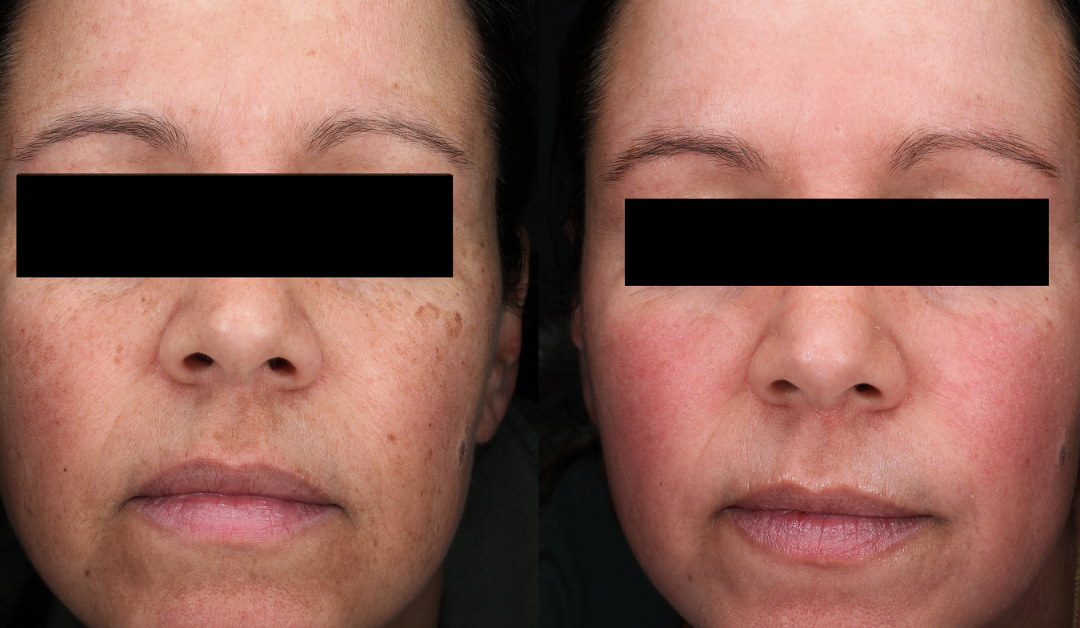
Melasma is a chronic pigmentation condition that commonly appears as larger patches of brown, grey-brown or tan pigmentation.
It most frequently develops on the:
- Cheeks
- Forehead
- Upper lip
- Chin
- Jawline
Unlike freckles or sun spots, melasma usually appears in a symmetrical pattern, meaning it develops on both sides of the face.
Melasma is often influenced by:
- Pregnancy
- Hormonal changes
- Oral contraceptives
- Hormone replacement therapy
- Genetics
- Heat exposure
- Ultraviolet (UV) light
For many people, melasma becomes more noticeable during summer or after prolonged time outdoors.
What Are Sun Spots?
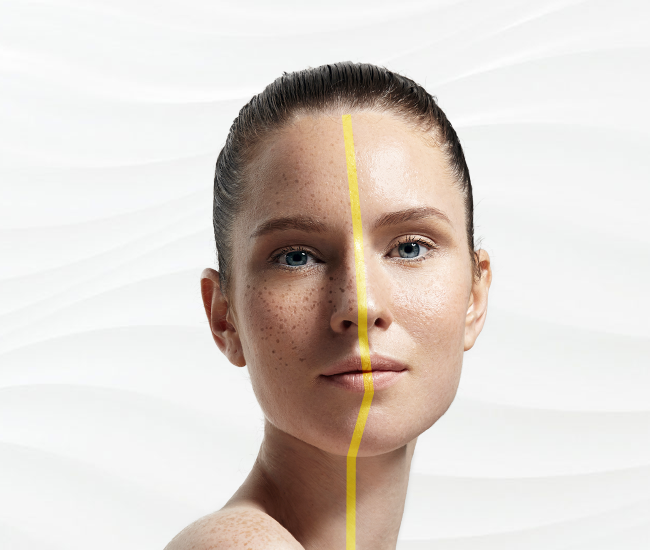
Sun spots, also known as solar lentigines or age spots, develop after years of cumulative sun exposure.
Unlike melasma, they are caused primarily by UV damage rather than hormonal influences.
Sun spots often appear on areas that receive the most sunlight, including:
- Face
- Hands
- Chest
- Shoulders
- Arms
They are generally:
- Small
- Well-defined
- Round or oval
- Light to dark brown
- Separate from one another rather than forming large patches
Melasma vs Sun Spots: What’s the Difference?
| Melasma | Sun Spots |
|---|---|
| Often linked to hormones | Caused mainly by sun damage |
| Appears in larger patches | Appears as individual spots |
| Usually symmetrical | Often random in distribution |
| Triggered by heat and UV | Triggered primarily by UV exposure |
| Can be more challenging to manage | Often responds well to targeted treatments |
| Frequently returns without maintenance | Less likely to recur if sun protection is maintained |
Why Does It Matter?
Although melasma and sun spots may look similar, they can respond differently to treatment.
For example, while laser treatments may be highly effective for certain sun spots, some forms of melasma require a more cautious and comprehensive treatment plan that focuses on reducing pigment production while protecting the skin barrier.
Because pigmentation can occur at different depths within the skin, an accurate diagnosis is essential before beginning treatment.
Can You Have Both?
Yes.
Many people have a combination of pigmentation concerns.
For example, someone may develop melasma during pregnancy and also have years of accumulated sun damage resulting in sun spots.
This is why professional skin assessment is so important. Rather than treating each concern in isolation, your therapist can develop a treatment plan that addresses multiple causes of pigmentation.
How We Assess Pigmentation at The Beauty Base
No two pigmentation concerns are exactly alike.
During your consultation, our experienced therapists assess:
- Your medical and skin history
- Hormonal influences
- Lifestyle factors
- Previous pigmentation treatments
- Current skincare routine
- UV exposure
- Pigment depth and distribution
Advanced skin analysis helps us understand both visible and underlying pigmentation, allowing us to recommend the most appropriate treatment pathway.
Can Pigmentation Be Removed Permanently?
One of the most common questions we hear is whether pigmentation can be removed permanently.
The answer depends on the underlying cause.
Sun spots can often be significantly improved with professional treatment and ongoing sun protection.
Melasma, however, is considered a chronic condition. While it can often be successfully managed, ongoing maintenance, sun protection and appropriate skincare are usually essential to help minimise recurrence.
How Can You Prevent Pigmentation?
Although not all pigmentation can be prevented, healthy skin habits may reduce the likelihood of new pigmentation developing.
We recommend:
- Wearing a broad-spectrum SPF 50+ sunscreen every day
- Reapplying sunscreen regularly when outdoors
- Wearing a wide-brim hat
- Seeking shade during peak UV periods
- Avoiding unnecessary heat exposure where appropriate
- Following a professional skincare routine suited to your skin
- Scheduling regular skin assessments if you are prone to pigmentation
Professional treatment Options
Your recommended treatment will depend on the type, depth and cause of your pigmentation.
Depending on your skin, your personalised treatment plan may include:
Frequently Asked Questions
Begin Your Personalised Pigmentation Journey
Every skin is different, and successful pigmentation treatment starts with understanding why the pigmentation developed in the first place.
At The Beauty Base, our experienced therapists create personalised treatment plans based on your skin concerns, lifestyle and long-term goals. Whether you’re concerned about melasma, sun spots or post-inflammatory pigmentation, we’ll guide you towards the treatment pathway best suited to your skin.
Book your professional skin consultation today and take the first step towards a clearer, more even-looking complexion.

Follow Us
Don’t miss promotions, follow us for the latest news
We don’t keep our beauty secrets a secret
Subscribe now and thank us later